Blog / buying a new vehicle

Should You Buy or Lease a Vehicle?

buy or lease

Do you know all the pros and cons of each option?

There are several factors to consider when deciding to buy or lease a car, as both options have several benefits and downsides. For example, in addition to the monthly lease or loan payment, you need to consider how much you plan to drive, how often you'd like a new car, and if you plan to customize.

Benefits of buying a car

There are several advantages to owning a car, as opposed to leasing. Here are just a few of the most important ones:
  • You own the asset -- Assuming that you finance the car, it can take a few years to build up any serious equity (where you owe less than the car's value), but eventually you'll have an asset that can be sold or traded in if needed.
  • No payments once your loan is repaid -- When you buy a car, you'll eventually pay off the loan and own the car free and clear, at which point you'll no longer have a monthly car payment. When you lease, you'll always have a car payment.
  • No mileage restrictions -- If you own your car, you can drive it as much as you'd like without having to worry about paying a penalty. On the other hand, if you lease, you're generally limited to 10,000, 12,000, or 15,000 miles per year before you'll start accumulating penalties.
  • No charges for excessive wear -- When you lease, you'll generally be held responsible for anything that could be considered beyond "normal wear and tear." If you get a dent in a car you own, for example, you can choose to fix it or simply live with the dent and save the money.
  • Customization -- A vehicle you own can be modified or customized as you see fit. Leased vehicles need to be returned in their original state, so any modifications will need to be removed, which is often impossible or very expensive.

Benefits of leasing a car

On the other hand, leasing has its advantages as well:
  • A new car every two-to-four years -- Simply put, if you enjoy having a new car, leasing could be the way to go.
  • Little or no maintenance worries -- For the most part, leased cars are under factory warranties throughout the term of the lease agreement. In my case, this is the primary motivating factor for leasing -- I don't like uncertainty, especially when it comes to potentially costly repairs. Leasing allows me to avoid this worry.
  • Cheaper monthly payments -- While it depends on the particular make and model, as well as factors such as your down payment, you can generally lease a car for less money per month than it would cost you to buy it. In full disclosure, I lease my car, and the difference between my lease payments and what the payment would have been on a 60-month car loan was about $150 per month. When you lease, you're only paying for the vehicle's expected depreciation and associated charges, not for the residual value of the vehicle.
Posted in:

Related Posts

test driving questions

10 Questions to Ask While Test Driving

Are you shopping for a new vehicle, but have never been on a test drive? Test driving is exciting, but it is easy to forget good questions when deciding if it is the vehicle for you. Here are ten questions to ask yourself and the salesperson during a test drive. 10 questions to ask yourself or to check out during a test drive: Always start by observing your space as the driver. Do you have enough legroom? Is the seat easy to adjust? Does the steering wheel adjust? Check out the cooling system to make sure it is easy to use. If you want separate controls, heated seats, or cooling seats check for those too. As you begin to drive, see how well you can see your surroundings with your mirrors. Do not forget to check the back seat if you typically drive your kids or animals in the vehicle. Think about the sounds of the vehicle. Is it too loud? Do any sounds annoy you? Any sounds of concern? If you like the radio on then try it out. See if you think you will be able to figure out the infotainment system or if it is too much. Pull into a parking lot while you are testing it to see how parking goes. Is it easy to park? If not, do you think it’s something you could get used to? Leave the driver's seat on your preferred settings and move to the seat behind it. See how the space is in each seat as if you were a passenger. Think about what you typically haul around. Will it fit in the trunk? Ex. stroller, car seat, wagon, sports gear, etc. Ask yourself how this vehicle compares to your current vehicle. What do you like or dislike compared to your current vehicle? If you love the vehicle, be sure to ask the salesperson questions like the vehicle's warranty, specials, the longevity of the vehicle, opinions on the different versions, etc.

5-questions-to-ask-yourself-before-buying-a-car

5 Questions To Ask Yourself Before Buying A Car

5 Questions To Ask Yourself Before Buying A Car Buying a car is a really big decision and can be really stressful. It’s typically a decision you never want to rush into. It’s worth taking some time to work through a few questions before investing in a big purchase like a car. We know buying a car is not something you do frequently, so we want to help ensure customers feel comfortable and confident in their new investment. In order to help, we’ve compiled a list of the top five questions to ask yourself before buying a car. Should I buy new or used? This is probably the top question you should ask because it could be the difference of a few thousand dollars in your final total. Did you know there’s a $15,000 average price difference between a new and used car. If you are on a tight budget, used is the way to go because it will likely still have a full warranty and probably everything you need minus the new car scent. If you have no budget and are planning for your dream car, then buying new is probably for you. How are you going to use it? If you have a large family, then you’ll want several seats, extra space, and maybe even built in dvd players. If you need to tow a trailer every week then you’re going to need to find a vehicle with a tow rating and payload best for whatever you plan to haul. These little factors are going to determine a lot with what vehicles you should even consider. Ask yourself what life changes are you or your family likely to see soon? We won’t tell you to avoid the two-seat sports cars, but you might meet someone in a year and have a child in 4 years, lots can happen in 10 plus years. (a common lifespan of a car) Also something to keep in mind with children is how big they will be near the end of the lifespan of your car, this is often forgotten and later regretted. What are the operating costs? Many people love big SUVs or sports cars, which might be within your car buying budget, but when you discover you need to gas your car every other day, your budget might implode. If you already budget a certain amount of gas each month, then buying a car that will use a similar amount is your best option. Another option is always spending more on an economical car, because long term it will likely increase your budget. What do you like or dislike about your current car? This is a great question to ask yourself, especially since you’ve probably had your current car for a while. What made you buy the car in the first place? Do you like or dislike how it handles, safety features, gas mileage, repair costs, etc.? You know what you like and don’t like about your car, so make a list. When you decide to start the buying process bring the list with you, so we can help too! 5. Do you really need to buy a new car? People often get caught up in the idea of new, shiny things, especially cars. Look at your expenses. Are you paying more per year for car upkeep than car payments? Is your car hurting your budget? Maybe your family has outgrown the car or are you just planning ahead? Asking yourself these questions and making sure a car payment truly fits into your budget is really important. You want to be ready and prepared for a big purchase.

Blog Header

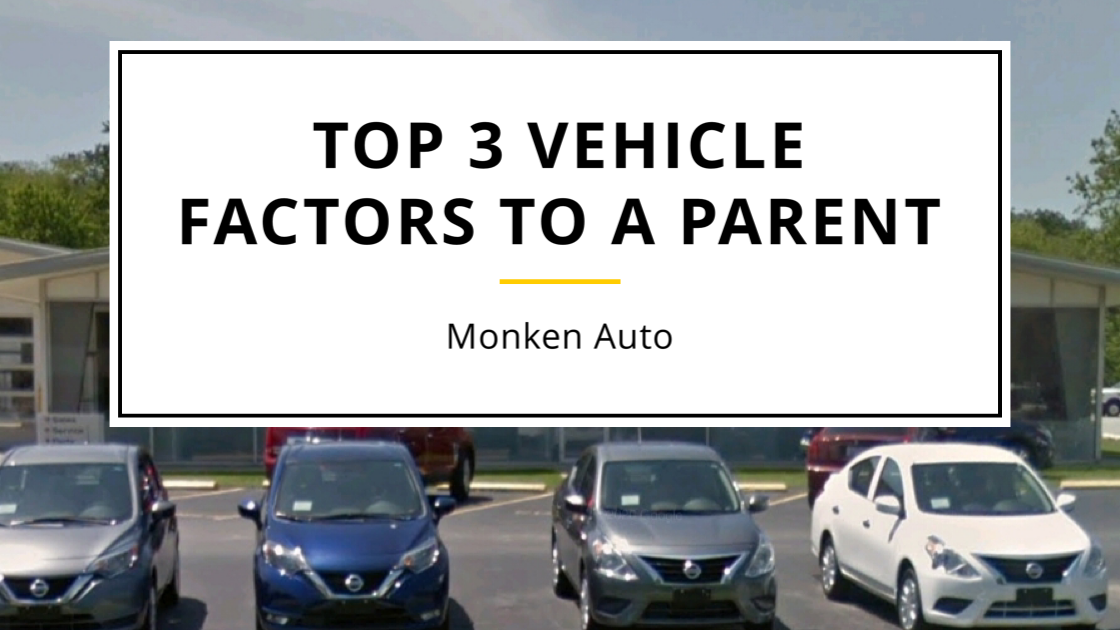
Top 3 Vehicle Factors to a Parent

Not all parents want the same type of vehicle, therefore, we researched the top 3 areas most parents value in a family vehicle. Being a parent can already be stressful enough, so here are 3 tips to help take the stress off buying one. Safety Safety is the number one feature valued by parents because they want to protect their families. Both parents usually look through many consumer reports and crash tests to see how the vehicle they are interested in will perform in an accident. Other important safety features to them include airbag locations, child safety locks and latches for child car seats. Size The size need in a vehicle depends on the size and age of the family. Car seats can take up a lot of room and really determine how much space is needed for seating. If the parents don’t have any kids in car seats, they might have sports gear and three of their kid’s friends to haul around during sports season. Whatever the reason may be, a roomy vehicle is very important to parents so their family can be comfortable when traveling. Affordability The third factor parents’ desire in a vehicle is typically its value for their family. They don’t want to break the budget when it comes to the vehicle, insurance, and gas. This factor has one of the biggest impacts on their family, especially when parenting can already be expensive. Most parents love a good deal or getting the biggest bang for their buck out of anything, including a vehicle. If you’re a parent currently searching for a vehicle perfect for your family, consider these three factors that most parents appreciate in any vehicle!